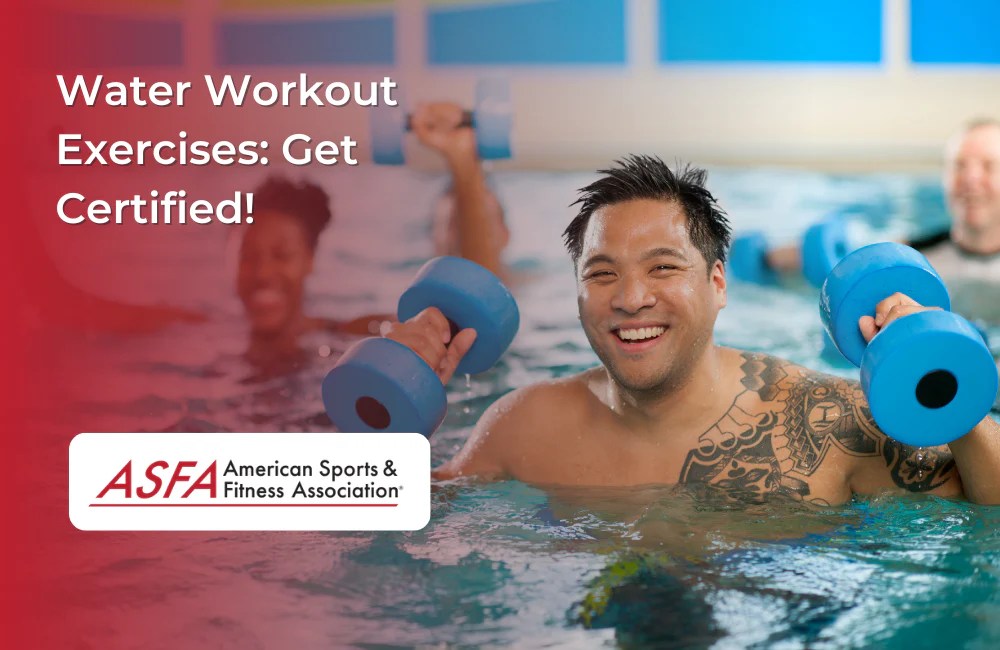
Ready to make a splash with your fitness routine? Water Sports Fitness Training offers a refreshing twist on traditional workouts, combining the elements of water sports with effective training techniques to help you achieve your fitness goals. Dive in and discover the exciting world of aquatic workouts!
Introduction to Water Sports Fitness Training
Fitness training in water sports is essential for improving performance, preventing injuries, and enhancing overall health and well-being. Unlike traditional fitness training on land, water sports fitness training offers unique challenges and benefits that can elevate your workout routine.
Importance of Water Sports Fitness Training
- Improves cardiovascular endurance
- Strengthens muscles without heavy impact on joints
- Enhances balance and coordination
- Increases flexibility and range of motion
Key Components of Water Sports Fitness Training Program
- Swimming drills to improve technique and stamina
- Resistance training using water resistance or aquatic equipment
- Aquatic plyometrics for power and agility
- Core exercises to stabilize the body in water
Types of Water Sports for Fitness Training
When it comes to fitness training in the water, there are several popular water sports that offer a great workout while being enjoyable and refreshing. Each water sport targets different muscle groups and provides unique fitness benefits. Let’s explore some of the top choices for water sports fitness training:
Paddleboarding
Paddleboarding is a fantastic full-body workout that primarily targets the core muscles. Balancing on the board engages your core muscles, while paddling works your arms, shoulders, and back. It also helps improve balance, coordination, and cardiovascular endurance. Beginners should start in calm waters and opt for a wider board for stability.
Kayaking
Kayaking is a great upper body workout that targets the arms, shoulders, and back muscles. It also engages the core muscles for stability and balance. Kayaking helps improve strength, endurance, and cardiovascular fitness. Beginners can start with a sit-on-top kayak for easy maneuverability and stability.
Surfing
Surfing is an excellent total body workout that engages the arms, shoulders, back, and core muscles. Paddling out to catch waves works the upper body, while riding the waves engages the legs, core, and back muscles. Surfing improves strength, balance, agility, and cardiovascular fitness. Beginners should take lessons from certified instructors to learn proper techniques and ensure safety in the water.
Swimming
Swimming is a low-impact, full-body workout that targets all major muscle groups. It improves cardiovascular fitness, strength, endurance, and flexibility. Swimming also helps burn calories and build lean muscle mass. Beginners can start with basic strokes like freestyle and breaststroke, gradually increasing distance and intensity as they build stamina.Incorporating these water sports into your fitness routine can add variety and fun to your workouts while delivering excellent physical benefits.
Remember to stay hydrated, wear appropriate safety gear, and listen to your body to prevent injuries and make the most of your water sports fitness training. Get ready to dive in and make a splash with your fitness goals!
Equipment and Gear for Water Sports Fitness Training
When it comes to water sports fitness training, having the right equipment and gear is essential for safety, performance, and effectiveness of your workout. Choosing the appropriate gear can make a significant difference in your overall experience and results.
Essential Equipment Needed for Various Water Sports Activities
- Swimsuit: A comfortable and durable swimsuit is necessary for all water sports activities.
- Goggles: Protect your eyes and improve visibility while swimming or diving.
- Water Shoes: Provide traction and protect your feet during water activities like paddleboarding or kayaking.
- Life Jacket: Essential for safety during activities like boating, paddleboarding, or jet skiing.
- Paddle: For activities like paddleboarding or kayaking, a high-quality paddle is crucial for propulsion and control.
Importance of Choosing the Right Gear for Safety and Performance
Choosing the right gear ensures your safety by providing protection against potential hazards in the water. Proper gear also enhances performance by improving comfort, efficiency, and overall experience during your workout.
How Equipment Selection Can Impact the Effectiveness of the Fitness Training
The right equipment can help you optimize your workout by allowing you to focus on your fitness goals without distractions or discomfort. For example, using a high-quality paddle during paddleboarding can improve your stroke technique and maximize the effectiveness of your workout.
Recommendations for High-Quality Gear Brands for Water Sports
- Speedo: Known for their durable swimsuits and goggles, Speedo is a popular choice for water sports enthusiasts.
- Aqua Lung: Specializing in snorkeling and diving gear, Aqua Lung offers high-quality products for underwater activities.
- NRS: A trusted brand for water sports gear, NRS provides a wide range of equipment for kayaking, rafting, and paddleboarding.
- Body Glove: Offering a variety of water sports gear including wetsuits, life jackets, and accessories, Body Glove is a reliable choice for fitness training in the water.
Training Techniques and Workouts for Water Sports Fitness
Training for water sports fitness involves a combination of different techniques and workouts to improve endurance, strength, and flexibility. These elements play a crucial role in enhancing performance and preventing injuries, ensuring athletes can excel in their chosen water sports.
Endurance Training
Endurance is essential for water sports athletes to maintain stamina and power throughout their activities. Training techniques for endurance may include:
- Long-distance swimming or paddling sessions
- Interval training to simulate the intensity of competitive races
- Open water swims to build mental and physical resilience
Strength Training
Strength is vital for powering through waves and maintaining control in water sports. Workouts to improve strength may involve:
- Resistance training with bands or weights to target specific muscle groups
- Core exercises to enhance stability and balance on unstable surfaces
- Functional movements that mimic the actions required in the water sport
Flexibility Training
Flexibility helps athletes move efficiently and prevent injuries in water sports. Training to enhance flexibility may include:
- Yoga or Pilates sessions to improve overall flexibility and mobility
- Dynamic stretching before workouts to prepare muscles for action
- Foam rolling to release tension in muscles and improve range of motion
Cross-Training for Water Sports
Cross-training is vital for overall fitness and injury prevention in water sports athletes. It involves engaging in different activities to target various muscle groups and prevent overuse injuries. Cross-training activities may include:
- Cycling or running to improve cardiovascular fitness
- Strength training with a focus on different muscle groups than those used in water sports
- Yoga or Pilates for core strength and flexibility
Nutrition and Hydration Tips for Water Sports Fitness Training
Proper nutrition and hydration are essential components of a successful water sports fitness training regimen. By fueling your body with the right nutrients and staying well-hydrated, you can optimize your performance, enhance recovery, and maintain high energy levels throughout your workouts.
Nutrition Guidelines for Water Sports Athletes
- Aim to consume a balanced diet consisting of carbohydrates, protein, healthy fats, vitamins, and minerals to support overall health and performance.
- Prioritize complex carbohydrates like whole grains, fruits, and vegetables to provide sustained energy for your water sports activities.
- Include lean sources of protein such as fish, chicken, tofu, or legumes to aid in muscle repair and recovery.
- Stay hydrated by drinking plenty of water throughout the day and consider electrolyte-rich beverages during intense training sessions.
Hydration Strategies for Optimal Performance
- Begin hydrating well before your water sports session to ensure you start well-hydrated.
- During training, drink water regularly to replace fluids lost through sweating and maintain optimal performance.
- Consider using sports drinks with electrolytes for longer or more intense workouts to replenish minerals lost through sweat.
Pre-workout and Post-workout Meal Ideas
- Pre-workout: Opt for a balanced meal containing carbohydrates and protein about 2-3 hours before your water sports session to fuel your body adequately.
- Post-workout: Consume a combination of protein and carbohydrates within 30 minutes of finishing your workout to support muscle recovery and replenish glycogen stores.
Importance of a Balanced Diet for Recovery and Energy Levels
- Maintaining a balanced diet not only supports your training performance but also aids in faster recovery after intense water sports sessions.
- Avoid skipping meals or restricting food intake, as this can lead to fatigue, decreased performance, and potential injury risks.
- Listen to your body’s hunger cues and fuel it with nutrient-dense foods to sustain your energy levels and enhance overall fitness progress.
Mental Preparation and Recovery Techniques
When it comes to water sports fitness training, mental preparation and recovery techniques play a crucial role in enhancing performance and overall well-being. Athletes need to focus not only on physical training but also on mental conditioning to achieve their goals effectively.
Relaxation Techniques and Mindfulness Practices
Incorporating relaxation techniques and mindfulness practices can help athletes stay calm, focused, and mentally sharp during water sports activities. Techniques such as deep breathing, visualization, and meditation can aid in reducing stress and improving concentration on the task at hand.
Importance of Rest and Recovery
Rest and recovery are essential aspects of any training program, including water sports fitness training. Adequate rest helps prevent burnout, reduces the risk of injuries, and allows the body to repair and strengthen muscles. Athletes should prioritize quality sleep, relaxation, and recovery days to optimize their performance.
Tips for Managing Stress and Staying Motivated
Managing stress and staying motivated are key factors in maintaining consistency and progress in water sports fitness training. Athletes can utilize techniques such as goal setting, positive self-talk, and seeking support from coaches or teammates to overcome challenges and stay focused on their training goals. It’s important to listen to your body, take breaks when needed, and find ways to enjoy the training process to sustain long-term motivation.
Connecting Water Sports Fitness Training with Other Sports
Water sports fitness training can offer a unique and effective way to enhance overall athletic performance and fitness levels. By combining water sports with other sports disciplines, athletes can experience a well-rounded training regimen that targets different muscle groups, improves cardiovascular endurance, and enhances overall agility and coordination.
Complementing Traditional Sports like Tennis
- Water sports fitness training can complement traditional sports like tennis by improving core strength, balance, and flexibility.
- Both water sports and tennis require quick reflexes, dynamic movements, and strong lower body muscles, making them a great pairing for cross-training.
- Training in the water can help tennis players prevent injuries, improve their footwork, and enhance their overall endurance on the court.
Similarities and Differences in Training Approaches between Water Sports and Winter Sports
- While both water sports and winter sports focus on endurance, strength, and agility, the training approaches differ due to the environment and specific skills required.
- In water sports, the emphasis is on resistance training, cardiovascular endurance, and flexibility, while winter sports often require more strength and power training to navigate challenging terrains.
- Cross-training between water sports and winter sports can provide a well-rounded fitness routine that targets different muscle groups and improves overall athletic performance.
Cross-Training Opportunities between Water Sports and Other Sports Disciplines
- Water sports like swimming and paddleboarding can complement sports like running, cycling, and yoga by offering a low-impact, full-body workout that improves cardiovascular health and muscular endurance.
- Combining water sports with activities like weight training, Pilates, or martial arts can enhance strength, balance, and coordination for athletes looking to diversify their training routine.
- By incorporating elements of water sports into other sports disciplines, athletes can improve their overall fitness levels, prevent injuries, and break through performance plateaus.
Combining Different Sports to Enhance Overall Fitness and Skills
- Integrating water sports like surfing, kayaking, or water polo with land-based sports like soccer, basketball, or volleyball can provide athletes with a comprehensive training program that targets different energy systems and movement patterns.
- By combining different sports, athletes can improve their agility, speed, strength, and endurance, leading to better overall performance in their primary sport.
- Cross-training between water sports and other sports disciplines can keep workouts fun and engaging, prevent burnout, and help athletes discover new skills and interests.
Final Wrap-Up
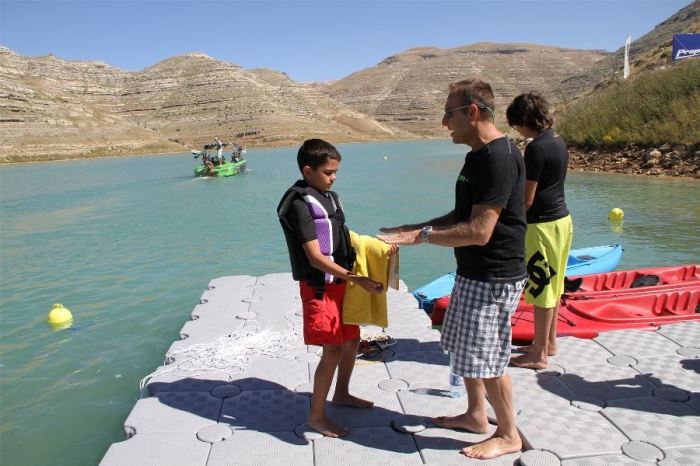
Make a splash in your fitness journey with Water Sports Fitness Training. Whether you’re a beginner or a seasoned athlete, incorporating water sports into your routine can take your workouts to a whole new level. So, grab your gear, hit the water, and get ready to make waves with your fitness goals!
Frequently Asked Questions
What are some benefits of water sports fitness training?
Water sports fitness training offers a low-impact workout that improves cardiovascular health, strength, and flexibility while providing a fun and engaging experience.
Do I need any prior experience to start water sports for fitness training?
No, many water sports activities are beginner-friendly, and instructors often provide guidance and support to help you get started safely.
How does nutrition play a role in water sports fitness training?
Nutrition is crucial for fueling your workouts and aiding in recovery. A balanced diet rich in nutrients helps optimize performance and energy levels.
Can water sports fitness training help in improving mental well-being?
Absolutely! Water sports can have a calming effect on the mind, and incorporating relaxation techniques can enhance mental clarity and reduce stress.


