
Dive into the world of Marine Conservation and Water Sports where we explore the crucial balance between preserving aquatic ecosystems and indulging in thrilling water activities. Get ready for a deep dive into the wonders of the ocean and the excitement of water sports!
As we navigate through the importance of marine conservation and its impact on marine life, we will also uncover the sustainable practices for water sports enthusiasts to protect our oceans. Join us on this adventure where conservation meets adrenaline-pumping fun!
Marine Conservation
Marine conservation plays a crucial role in preserving aquatic ecosystems and ensuring the sustainability of marine biodiversity. By protecting marine habitats and species, we can maintain the delicate balance of our oceans and safeguard the future of our planet.
Examples of Successful Marine Conservation Projects
- The Great Barrier Reef Marine Park in Australia is one of the largest marine protected areas in the world, home to a diverse range of marine life. Through strict regulations and conservation efforts, this project has helped in preserving the reef ecosystem.
- The Chagos Marine Protected Area in the Indian Ocean is another successful conservation project. By establishing a no-take zone within the area, this project has seen a significant increase in fish populations and overall biodiversity.
- The Raja Ampat Marine Protected Area in Indonesia is known for its high marine biodiversity. Through community involvement and sustainable tourism practices, this project has effectively protected the marine environment while supporting local livelihoods.
Role of Marine Protected Areas in Safeguarding Marine Biodiversity
Marine protected areas (MPAs) are essential in safeguarding marine biodiversity by providing a safe haven for marine species to thrive. These designated areas help in minimizing human impacts such as overfishing, pollution, and habitat destruction. By regulating human activities within MPAs, we can ensure the long-term health and resilience of marine ecosystems.
Water Sports and Marine Life
Water sports can have a significant impact on marine life, affecting ecosystems and wildlife in various ways. From pollution to habitat destruction, the activities associated with water sports can pose threats to the delicate balance of marine environments.
Impact of Water Sports on Marine Life
- Chemical pollution from sunscreen and other products used by water sports enthusiasts can harm marine organisms and disrupt food chains.
- Noise pollution from motorized watercraft can disturb marine mammals and affect their communication and navigation.
- Physical damage to coral reefs and seagrass beds can occur from anchors and gear used during water sports activities.
Sustainable Practices for Water Sports Enthusiasts
- Choose eco-friendly sunscreen options to minimize chemical pollution in the water.
- Practice responsible anchoring techniques to prevent damage to sensitive marine habitats.
- Participate in beach clean-up efforts and support organizations dedicated to marine conservation.
Relationship between Water Sports Tourism and Marine Conservation Efforts
- Water sports tourism can provide opportunities for local communities to engage in marine conservation initiatives through education and awareness programs.
- Responsible eco-tourism practices can help fund marine conservation projects and promote sustainable development in coastal areas.
- By supporting marine protected areas and sustainable fishing practices, water sports tourism can contribute to the preservation of marine ecosystems.
Benefits of Marine Conservation
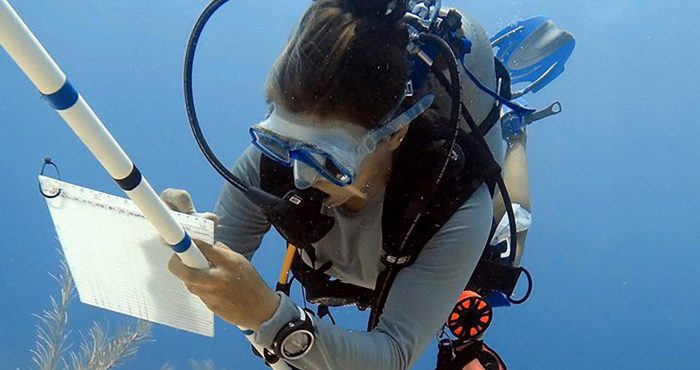
Marine conservation plays a crucial role in safeguarding the health of our oceans and marine ecosystems. By protecting marine life and habitats, it provides numerous benefits to coastal communities and the environment as a whole.
Benefits for Coastal Communities
- Preservation of livelihoods for fishermen and communities dependent on marine resources.
- Promotion of tourism and recreation activities, boosting local economies.
- Protection against natural disasters such as storms and erosion through healthy coastal ecosystems.
Contribution to Climate Change Mitigation
- Marine conservation helps in carbon sequestration by preserving coastal wetlands and mangroves.
- Healthy marine ecosystems act as carbon sinks, reducing the impact of greenhouse gas emissions.
- Protecting coral reefs helps in buffering coastal areas from the effects of climate change, such as sea-level rise and ocean acidification.
Economic Advantages of Investing in Marine Conservation Initiatives
- Enhanced fisheries productivity and sustainable seafood sources for industries.
- Development of ecotourism opportunities, creating jobs and revenue for local communities.
- Cost savings on coastal protection and restoration efforts by maintaining healthy marine ecosystems.
Challenges in Marine Conservation
Marine conservation faces numerous challenges that threaten the health and sustainability of marine ecosystems. One of the biggest challenges is pollution, which has a devastating impact on marine life and habitats. Pollution from sources such as plastic waste, oil spills, and chemical runoff can lead to habitat destruction, endangerment of species, and overall ecosystem imbalance.
Impact of Pollution on Marine Ecosystems
Pollution poses a significant threat to marine ecosystems by causing physical harm to marine life, disrupting food chains, and altering the chemical composition of the water. Plastic waste, for example, can entangle marine animals or be ingested, leading to injury or death. Oil spills can coat marine birds and mammals, affecting their ability to regulate body temperature and causing widespread mortality.
Chemical runoff from agriculture and industries can lead to toxic algal blooms, oxygen depletion, and overall degradation of water quality.
Role of Legislation and Enforcement in Overcoming Challenges
Legislation plays a crucial role in addressing and preventing pollution in marine environments. Laws and regulations that limit the discharge of pollutants into the ocean, promote sustainable fishing practices, and protect marine reserves are essential for conservation efforts. Enforcement of these laws is equally important to ensure compliance and deter illegal activities that harm marine ecosystems. By holding polluters accountable and implementing strict penalties for violations, legislation and enforcement can help mitigate the challenges faced in marine conservation.
Sports: Tennis
Tennis is a popular sport that has a rich history dating back to the 12th century. It originated in France and was played by hitting a ball with the palm of the hand. Over the years, the game evolved into the modern version we know today, with rackets and a net dividing the court.
Brief History of Tennis
Tennis as we know it today has its origins in a game called “jeu de paume” or “game of the palm” played in France in the 12th century. It involved hitting a ball with the hand. The game evolved over time, with rackets being introduced in the 16th century. Modern tennis rules and scoring were standardized in the 19th century.
Key Rules and Regulations of Tennis Matches
- Scoring: Matches are typically best of three or five sets. A player must win at least six games by a margin of two to win a set. The scoring system is based on points: 15, 30, 40, and then game point.
- Serving: Players take turns serving and must serve from alternate sides of the court. They have two chances to get the ball in play; otherwise, it’s a fault.
- Line Calls: Players can challenge line calls using Hawk-Eye technology in some tournaments. If a call is challenged and overturned, the player retains their challenge. If the challenge is unsuccessful, they lose it.
Different Types of Tennis Courts and Their Impact on Gameplay
- Grass Courts: Grass courts are fast-paced and favor serve-and-volley players. The ball bounces low and skids through, making it challenging to return.
- Clay Courts: Clay courts are slower and allow for longer rallies. The ball bounces higher, giving players more time to react and set up their shots.
- Hard Courts: Hard courts are a middle ground between grass and clay courts. They offer a consistent bounce and medium pace, suitable for all playing styles.
Water Sports
Water sports are a thrilling way to enjoy the beauty of the ocean and rivers while staying active and having fun. There are various activities that enthusiasts can participate in, each offering a unique experience and challenges.
Popular Water Sports Activities
- Surfing: Riding the waves on a surfboard is a popular water sport that requires balance, skill, and a love for the ocean.
- Snorkeling: Exploring underwater marine life with just a mask, snorkel, and fins is a relaxing and immersive experience.
- Kayaking: Paddling through calm waters or challenging rapids in a kayak allows for a close encounter with nature and a great upper body workout.
- Wakeboarding: Being towed behind a boat while standing on a wakeboard and performing tricks is a thrilling water sport for adrenaline junkies.
- Scuba Diving: Diving deep below the surface to explore coral reefs, shipwrecks, and marine life is an adventurous and captivating experience.
Equipment Used in Water Sports
- Surfing: Surfboard, leash, wetsuit, and wax.
- Snorkeling: Mask, snorkel, fins, and wetsuit (optional).
- Kayaking: Kayak, paddle, life jacket, and helmet (for whitewater kayaking).
- Wakeboarding: Wakeboard, bindings, tow rope, and life jacket.
- Scuba Diving: Dive mask, wetsuit, BCD (buoyancy control device), regulator, tanks, and fins.
Safety Tips for Beginners in Water Sports
- Always wear a life jacket, even if you are a strong swimmer.
- Take lessons from certified instructors to learn proper techniques and safety measures.
- Check weather conditions and water currents before heading out for a water sports activity.
- Stay hydrated and protect your skin from the sun with sunscreen to avoid sunburn.
- Respect marine life and ecosystems by not disturbing or harming them during your water sports adventures.
Winter Sports
Winter sports are popular activities around the world, especially in regions with snowy winters. These sports offer a unique way to enjoy the cold weather and embrace the winter season.
Most Popular Winter Sports
- Skiing: Whether downhill or cross-country, skiing is a beloved winter sport that challenges participants while providing breathtaking views of snowy landscapes.
- Snowboarding: With roots in skateboarding and surfing, snowboarding has become a favorite winter pastime for many adrenaline seekers.
- Ice Skating: From figure skating to speed skating, ice skating offers a graceful and exhilarating way to glide across frozen surfaces.
- Snowmobiling: Zooming through snow-covered trails on a snowmobile provides an exciting experience for thrill-seekers.
Physical Benefits of Winter Sports
Winter sports offer a range of physical benefits, including:
- Improved cardiovascular health and endurance
- Increased strength and muscle tone
- Enhanced balance and coordination
- Calorie burning and weight management
Environmental Considerations of Winter Sports
Participating in winter sports in snowy regions can have environmental impacts, such as:
- Damage to natural habitats and wildlife due to increased human activity
- Pollution from emissions generated by transportation to snow-covered areas
- Resource depletion from the use of artificial snowmaking machines
- Waste generation from disposable equipment and packaging
Final Summary
As we wrap up our journey through Marine Conservation and Water Sports, remember that each splash and dive can make a difference in protecting our precious marine life. Let’s continue to enjoy water sports responsibly while contributing to the conservation of our oceans. Dive in, make waves, and save our seas!
FAQ Section
How do water sports impact marine life?
Water sports can disturb marine habitats and wildlife, leading to negative consequences if not practiced responsibly.
What are the economic advantages of investing in marine conservation initiatives?
Investing in marine conservation can lead to increased tourism, sustainable fisheries, and overall economic growth for coastal communities.
What are the main challenges faced in marine conservation efforts?
Challenges include pollution, overfishing, habitat destruction, and lack of public awareness about marine conservation issues.


