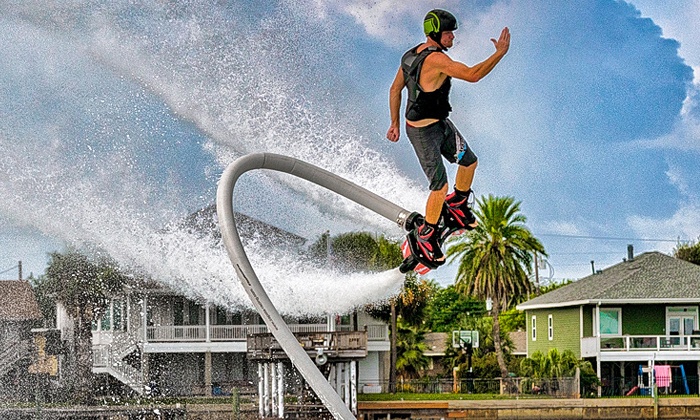
As Extreme Water Sports Trends takes center stage, this opening passage beckons readers with an entertaining overview of the exciting and ever-evolving world of extreme water sports. From adrenaline-pumping activities to cutting-edge technology, get ready to dive into a realm where thrill-seekers and water enthusiasts unite!
Overview of Extreme Water Sports Trends
Extreme water sports have become increasingly popular in recent years, attracting thrill-seekers and adventure enthusiasts from around the world. These adrenaline-pumping activities take place in various bodies of water, including oceans, rivers, lakes, and even artificial wave pools.
The appeal of extreme water sports lies in the excitement and challenge they offer participants. Whether it’s surfing massive waves, whitewater rafting through turbulent rivers, or deep-sea diving to explore underwater wrecks, these activities provide a unique and exhilarating experience for those seeking an adrenaline rush.
Technology and Innovation in Extreme Water Sports
Advancements in technology have played a significant role in shaping the future of extreme water sports. From specialized gear and equipment designed to enhance performance and safety to innovations in wave-making technology for artificial surf parks, the industry continues to evolve and push boundaries.
- Wearable technology such as GPS trackers and smart watches enable athletes to monitor their performance metrics and improve their skills.
- Hydrofoil technology has revolutionized sports like kiteboarding and wakeboarding, allowing riders to glide above the water with minimal drag.
- Innovations in board design and materials have led to lighter, more durable equipment that enhances maneuverability and speed.
- Virtual reality simulations and training programs provide athletes with opportunities to practice and refine their skills in a controlled environment.
Emerging Trends in Extreme Water Sports
In the world of extreme water sports, new trends are constantly emerging, shaping the way enthusiasts interact with the water. Let’s explore some of the latest developments in this adrenaline-fueled realm.
Virtual Reality Experiences
Virtual reality technology is revolutionizing the way people experience extreme water sports. With VR headsets, individuals can immerse themselves in the thrill of activities like surfing, diving, and jet skiing from the comfort of their homes. This trend not only provides a new level of accessibility but also serves as a valuable training tool for beginners.
Hydrofoil Surfing
Hydrofoil surfing is gaining popularity among water sports enthusiasts seeking a new challenge. By riding a board equipped with a hydrofoil, riders can glide above the water’s surface, offering a unique and exhilarating experience. This trend requires skill and balance, attracting experienced surfers looking to push their limits.
Eco-Friendly Equipment and Practices
As environmental awareness continues to grow, the water sports industry is shifting towards more sustainable practices. From biodegradable wetsuits to eco-friendly surfboards, manufacturers are prioritizing the use of environmentally friendly materials. Additionally, initiatives like beach clean-ups and marine conservation efforts are becoming integral parts of the water sports community, emphasizing the importance of protecting our oceans.
Social Media Influencers and Challenges
Social media platforms have played a significant role in popularizing extreme water sports, with influencers showcasing their daring feats to a global audience. The rise of challenges like the “Ice Bucket Challenge” and “Trash Tag Challenge” has also encouraged individuals to engage in water sports activities while promoting environmental stewardship. This trend has not only boosted the visibility of extreme water sports but has also inspired a new generation of enthusiasts to take to the water.
Popular Extreme Water Sports Activities
Extreme water sports offer a thrilling experience for adrenaline junkies looking to push their limits on the water. Some of the most popular extreme water sports activities include kiteboarding, jet surfing, and whitewater rafting.
Kiteboarding
Kiteboarding, also known as kitesurfing, combines elements of surfing, wakeboarding, and paragliding. Riders use a kite to harness the power of the wind and propel themselves across the water on a board. This high-flying sport requires skill, balance, and coordination, making it a favorite among thrill-seekers.
Jet Surfing
Jet surfing involves riding a motorized surfboard that is powered by a jet engine. Riders can reach high speeds and perform impressive tricks on the water. This fast-paced sport offers a unique mix of surfing and motorized excitement, attracting those looking for an adrenaline rush.
Whitewater Rafting
Whitewater rafting involves navigating fast-moving rivers and rapids aboard an inflatable raft. Participants must work together as a team to steer the raft through turbulent waters, making it a challenging and exhilarating experience. Whitewater rafting is a physically demanding sport that requires strength, endurance, and quick reflexes.
Safety Measures in Extreme Water Sports
When it comes to participating in extreme water sports, safety should always be the top priority. Taking the necessary precautions and using the proper equipment can help ensure a fun and safe experience on the water.
Essential Safety Measures and Equipment
- Always wear a properly fitting life jacket or personal flotation device (PFD) when engaging in any water sports.
- Use a helmet when participating in activities such as whitewater rafting, kayaking, or wakeboarding to protect your head from potential impacts.
- Make sure to use a leash when surfing or paddleboarding to prevent your board from drifting away in case of a fall.
- Check the weather conditions before heading out and be aware of any potential hazards in the water.
Importance of Proper Training and Supervision
Proper training and supervision are crucial in ensuring a safe experience in extreme water sports.
- Enroll in lessons or training sessions to learn the necessary skills and techniques for the specific sport you want to try.
- Always follow the guidance of experienced instructors and do not attempt advanced maneuvers without proper training.
- Never go alone – always participate in extreme water sports with a buddy or under the supervision of a certified instructor.
Tips for Beginners
- Start with easier water sports activities such as paddleboarding or snorkeling before progressing to more challenging sports like whitewater rafting or kiteboarding.
- Listen to safety briefings and instructions carefully before starting any activity, and don’t be afraid to ask questions if you are unsure about something.
- Stay within your comfort zone and gradually increase the difficulty level as you gain more experience and confidence in the water.
Cross-Comparison: Sports Tennis, Water Sports, Winter Sports

When it comes to sports, each category brings its own unique physical demands, skill sets, and considerations. Let’s compare and contrast sports tennis, water sports, and winter sports to understand the differences and similarities between them.
Physical Demands
Each sport requires different physical attributes from its participants:
- Tennis: Involves quick movements, agility, hand-eye coordination, and endurance.
- Water Sports: Demand strength, balance, flexibility, and swimming skills.
- Winter Sports: Require balance, coordination, strength, and endurance in cold weather conditions.
Skill Sets
Success in these sports depends on various skill sets:
- Tennis: Requires precision, timing, strategy, and mental focus.
- Water Sports: Need swimming ability, wave-riding skills, navigation, and risk assessment.
- Winter Sports: Call for expertise in skiing, snowboarding, ice skating, and cold weather management.
Seasonal and Geographical Considerations
Participation in these sports can be affected by seasonal changes and geographical locations:
- Tennis: Mostly played in moderate climates, with indoor facilities available for year-round play.
- Water Sports: Popular in coastal areas with warmer weather, limiting participation in colder regions.
- Winter Sports: Thrive in snowy regions during winter months, requiring access to appropriate terrains and facilities.
Final Review
In conclusion, Extreme Water Sports Trends offer a thrilling glimpse into the future of water-based adventures. Whether you’re a seasoned pro or a newbie looking to make a splash, the world of extreme water sports is bound to leave you craving more adrenaline-fueled excitement!
FAQ Overview
What are some of the latest trends in extreme water sports?
Some emerging trends include hydroflight devices, underwater jetpacks, and electric hydrofoil boards.
Are extreme water sports safe for beginners?
While they can be thrilling, beginners should always start with proper training, supervision, and safety equipment to minimize risks.
How does social media influence the popularity of extreme water sports?
Social media platforms play a significant role in showcasing these sports, attracting a wider audience and boosting participation levels.


