
Embark on a journey through Snowshoeing Adventures, where the snowy landscapes and exhilarating experiences await. From the history of snowshoeing to the top destinations around the world, this thrilling winter activity is sure to captivate your adventurous spirit.
Gear up for an unforgettable adventure as we delve into the essentials, safety tips, and the sheer joy of exploring the winter wonderland on foot. Get ready to embrace the chill and embrace the thrill of snowshoeing!
Introduction to Snowshoeing Adventures
Snowshoeing is a winter activity that involves walking over snow-covered terrain using snowshoes, which are specially designed footwear that distributes weight evenly to prevent sinking into the snow. Historically, snowshoeing was essential for travel and hunting in snowy regions, dating back thousands of years to indigenous peoples in North America and Europe.The appeal of snowshoeing lies in its accessibility and simplicity.
Unlike skiing or snowboarding, snowshoeing requires minimal equipment and can be enjoyed by people of all ages and fitness levels. It allows individuals to explore winter landscapes at their own pace, immersing themselves in the serene beauty of snow-covered forests and mountains.Snowshoeing offers numerous physical and mental health benefits. It provides a low-impact cardiovascular workout, strengthening muscles in the legs, core, and upper body.
The tranquility of the winter wilderness can also reduce stress and anxiety, promoting mental well-being and a sense of calm. Overall, snowshoeing is a versatile and rewarding outdoor activity that combines exercise with nature appreciation.
Choosing the Right Gear for Snowshoeing
When embarking on a snowshoeing adventure, having the right gear is crucial to ensure a safe and enjoyable experience. From snowshoes to clothing and accessories, each item plays a significant role in keeping you comfortable and protected in varying conditions.
Essential Gear for Snowshoeing
- Snowshoes: The most important gear for snowshoeing, these come in various types such as flat terrain, rolling terrain, and mountain terrain snowshoes. Choose the type based on the terrain you will be exploring.
- Trekking Poles: Provide stability and balance while navigating through snow-covered trails.
- Insulated Boots: Keep your feet warm and dry, providing traction on slippery surfaces.
- Gaiters: Protect your lower legs and boots from snow, keeping you dry and comfortable.
- Layers of Clothing: Wear moisture-wicking base layers, insulating mid-layers, and waterproof outer layers to stay warm and dry.
- Winter Gloves or Mittens: Keep your hands warm and protected from the cold.
- Hat or Beanie: Retain heat and protect your head from the elements.
- Snow Goggles: Shield your eyes from snow glare and wind, enhancing visibility.
- Backpack: Carry essentials like water, snacks, a first aid kit, and navigation tools.
Types of Snowshoes
- Flat Terrain Snowshoes: Best for beginners and casual snowshoers, ideal for flat, packed snow trails.
- Rolling Terrain Snowshoes: Versatile for various terrains, offering good traction and maneuverability.
- Mountain Terrain Snowshoes: Designed for steep and rugged terrain, providing aggressive traction and stability.
Selecting Clothing and Accessories
- Choose moisture-wicking fabrics to keep sweat away from your body and stay dry.
- Layer clothing to adjust to changing temperatures and avoid overheating or getting too cold.
- Pack extra clothing layers in case of unexpected weather changes.
- Opt for waterproof and windproof outer layers to protect against snow, wind, and moisture.
- Wear warm socks and ensure your boots are waterproof to keep your feet dry and comfortable.
Top Snowshoeing Destinations Around the World
When it comes to snowshoeing, there are numerous breathtaking destinations around the world that offer stunning landscapes and unique challenges for enthusiasts. Whether you’re a beginner or an experienced snowshoer, these destinations are sure to provide unforgettable experiences. Here are some top snowshoeing locations you should consider for your next adventure:
1. Banff National Park, Canada
Banff National Park in Alberta, Canada, is a paradise for snowshoers with its picturesque snow-covered mountains, frozen lakes, and dense forests. The park offers a variety of trails catering to all skill levels, from easy loops to challenging backcountry routes. Be sure to check the avalanche conditions and weather forecast before heading out.
2. Swiss Alps, Switzerland
The Swiss Alps are a dream destination for snowshoers, with their iconic snow-capped peaks, charming alpine villages, and well-maintained trails. You can choose from a wide range of routes that provide stunning views of the surrounding landscapes. Make sure to pack warm clothing and essential safety gear when exploring the Swiss Alps.
3. Yosemite National Park, USA
Yosemite National Park in California is a winter wonderland for snowshoeing enthusiasts, offering a mix of easy and challenging trails amidst towering granite cliffs and cascading waterfalls. The park’s diverse terrain allows you to explore different ecosystems and wildlife habitats while enjoying the tranquility of the snowy landscape.
4. Dolomites, Italy
The Dolomites in northeastern Italy are a UNESCO World Heritage Site known for their jagged peaks, dramatic rock formations, and pristine snowfields. Snowshoers can choose from a network of well-marked trails that lead to panoramic viewpoints and cozy mountain huts. Be prepared for sudden weather changes and steep ascents in this rugged terrain.
5. Hokkaido, Japan
Hokkaido, Japan’s northernmost island, is a premier snowshoeing destination with its deep powder snow, traditional hot springs, and serene winter landscapes. You can explore the island’s national parks, frozen lakes, and snow-covered forests while immersing yourself in the local culture and cuisine. Remember to respect wildlife and follow designated trails to minimize environmental impact.These top snowshoeing destinations offer a mix of natural beauty, diverse terrain, and cultural experiences that will make your snowshoeing adventures truly unforgettable.
Whether you’re seeking a peaceful solo trek or a guided group excursion, planning ahead and being prepared for varying conditions are key to a safe and enjoyable trip.
Safety Tips and Precautions for Snowshoeing
Snowshoeing is a fantastic way to explore the winter wonderland, but it’s essential to prioritize safety while enjoying this activity. Here are some crucial safety tips and precautions to keep in mind before embarking on your snowshoeing adventure:
Checklist of Safety Measures
- Dress in layers to stay warm and dry.
- Wear waterproof and insulated boots to protect your feet from the cold and wet snow.
- Carry essential items such as a map, compass, whistle, and headlamp for emergencies.
- Inform someone of your planned route and expected return time.
- Check the weather forecast before heading out and be prepared for changing conditions.
Preparing for Unexpected Weather Changes
It’s crucial to be ready for unpredictable weather shifts while snowshoeing. Always carry extra layers, a waterproof shell, and additional food and water in case your trip takes longer than expected. Keep an eye on the sky for any signs of approaching storms and be prepared to turn back if conditions worsen.
Importance of Avalanche Awareness and Basic First Aid Knowledge
Avalanches can pose a significant risk to snowshoers, especially in backcountry areas. It’s essential to educate yourself on avalanche safety, including recognizing warning signs, carrying essential rescue gear like a beacon, shovel, and probe, and knowing how to perform a rescue if needed. Additionally, having basic first aid knowledge can be life-saving in case of injuries or emergencies while snowshoeing.
Consider taking a wilderness first aid course to prepare yourself for unexpected situations.
Sports Tennis
Tennis is a popular sport that has a rich history dating back to the 12th century. Originating in France, it has evolved over the years to become a beloved sport played by millions around the world. The game is characterized by its fast-paced rallies, strategic gameplay, and competitive spirit.
History of Tennis
Tennis can be traced back to a game called “jeu de paume” (game of the palm) played in 12th-century France. The game evolved over time, with the modern version of tennis being developed in England in the 19th century. Wimbledon, one of the most prestigious tennis tournaments, was first held in 1877 and continues to be a highlight of the tennis calendar.
Equipment for Tennis Players
- Beginners: Beginners typically start with a basic tennis racket, comfortable athletic shoes, and tennis balls. As they progress, they may invest in higher-quality rackets suited to their playing style and skill level.
- Advanced Players: Advanced players often use high-performance rackets with specific string tensions, grips, and head sizes tailored to their preferences. They may also use specialized tennis shoes designed for optimal performance on the court.
Benefits of Playing Tennis
- Physical Benefits: Tennis is a great full-body workout that improves cardiovascular health, strength, agility, and coordination. It helps burn calories, build muscle, and improve overall fitness levels.
- Mental Benefits: Playing tennis enhances mental acuity, focus, and strategic thinking. It promotes stress relief, boosts mood, and fosters social connections through friendly competition and teamwork.
Water Sports
Water sports are a thrilling way to enjoy the great outdoors while staying active and having fun. From surfing to kayaking and paddleboarding, there are countless activities to try out on the water. It’s essential to prioritize safety and ensure you have the proper equipment before diving into any water sport adventure.
Popular Water Sports Activities
- Surfing: Surfing is a popular water sport that involves riding waves on a surfboard. Ideal for thrill-seekers and those looking to catch some waves.
- Kayaking: Kayaking is a versatile water sport that can be done in calm rivers, lakes, or even in the open sea. It’s a great way to explore scenic waterways and get a good workout.
- Paddleboarding: Paddleboarding is a relaxing water sport where you stand on a board and use a paddle to navigate calm waters. It’s perfect for enjoying nature and improving balance.
Best Locations for Water Sports Around the World
- Hawaii, USA: Known for its world-class surfing spots like Pipeline and Waikiki Beach.
- Bora Bora, French Polynesia: Crystal-clear waters ideal for kayaking and paddleboarding with stunning views of the island’s lagoon.
- Gold Coast, Australia: A hotspot for water sports enthusiasts with excellent conditions for surfing, kayaking, and paddleboarding.
Importance of Safety Precautions and Proper Equipment in Water Sports
It is crucial to prioritize safety when engaging in water sports. Always wear a life jacket, follow the rules of the waterway, and be mindful of weather conditions. Proper equipment such as helmets, leashes, and paddles can make a significant difference in preventing accidents and ensuring a safe and enjoyable experience on the water.
Winter Sports
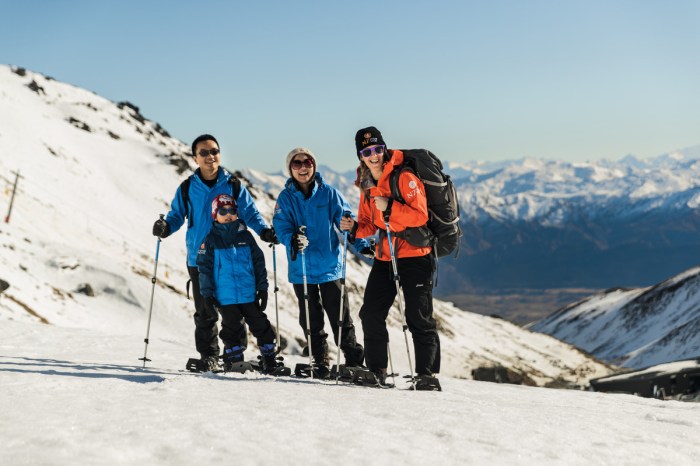
Winter sports are a thrilling way to embrace the cold weather and stay active during the winter months. From skiing and snowboarding to ice skating, there are plenty of options to choose from. Each winter sport comes with its unique challenges and requires specific skills to master. If you’re a beginner looking to try out winter sports for the first time, it’s important to understand the basics and be prepared for the adventure that awaits.
Skiing
Skiing is a popular winter sport that involves gliding down snow-covered slopes using skis attached to your boots. It requires a good sense of balance, coordination, and control. Beginners should start with lessons from a professional instructor to learn the proper techniques and safety precautions. Here are some tips for beginners:
- Start on gentle slopes to practice basic movements and turns.
- Always wear appropriate gear, including a helmet, goggles, and layers of clothing.
- Practice proper skiing etiquette and be aware of your surroundings on the slopes.
Snowboarding
Snowboarding is another exciting winter sport that involves riding down slopes on a snowboard with both feet strapped in. It requires a different set of skills compared to skiing, such as balance, flexibility, and core strength. Beginners can benefit from lessons to master the basics and avoid injuries. Here are some tips for beginners:
- Learn how to control your speed and make turns using your body weight.
- Practice falling safely and getting up from the snow using your snowboard.
- Start on easy slopes and gradually progress to more challenging terrain.
Ice Skating
Ice skating is a classic winter sport that involves gliding on ice using ice skates. It requires a good sense of balance, coordination, and grace. Beginners can start by practicing on indoor or outdoor rinks to get comfortable on the ice. Here are some tips for beginners:
- Learn how to balance on the skates and glide forward using proper posture.
- Practice stopping and turning by using the edges of the skates.
- Start with slow movements and gradually increase your speed as you gain confidence.
Final Wrap-Up
As we wrap up our exploration of Snowshoeing Adventures, remember to tread lightly on the snow-covered trails and leave only footprints behind. Whether you’re a seasoned snowshoer or a beginner looking to try this exciting activity, the magic of snowshoeing will always beckon you back for more snowy escapades.
User Queries
What should I wear for snowshoeing?
It’s recommended to wear waterproof and insulated boots, layered clothing, gloves, and a hat to stay warm and dry during your snowshoeing adventure.
Do I need special skills for snowshoeing?
No special skills are required for snowshoeing, making it accessible to beginners. It’s a great way to enjoy the winter scenery and stay active.
Are there age restrictions for snowshoeing?
Snowshoeing is a family-friendly activity with no age restrictions. It’s suitable for all ages, providing a fun and easy way to explore snowy landscapes.


